
Service Area
Preconstruction
Office
Buildings
Permitting
Delivery
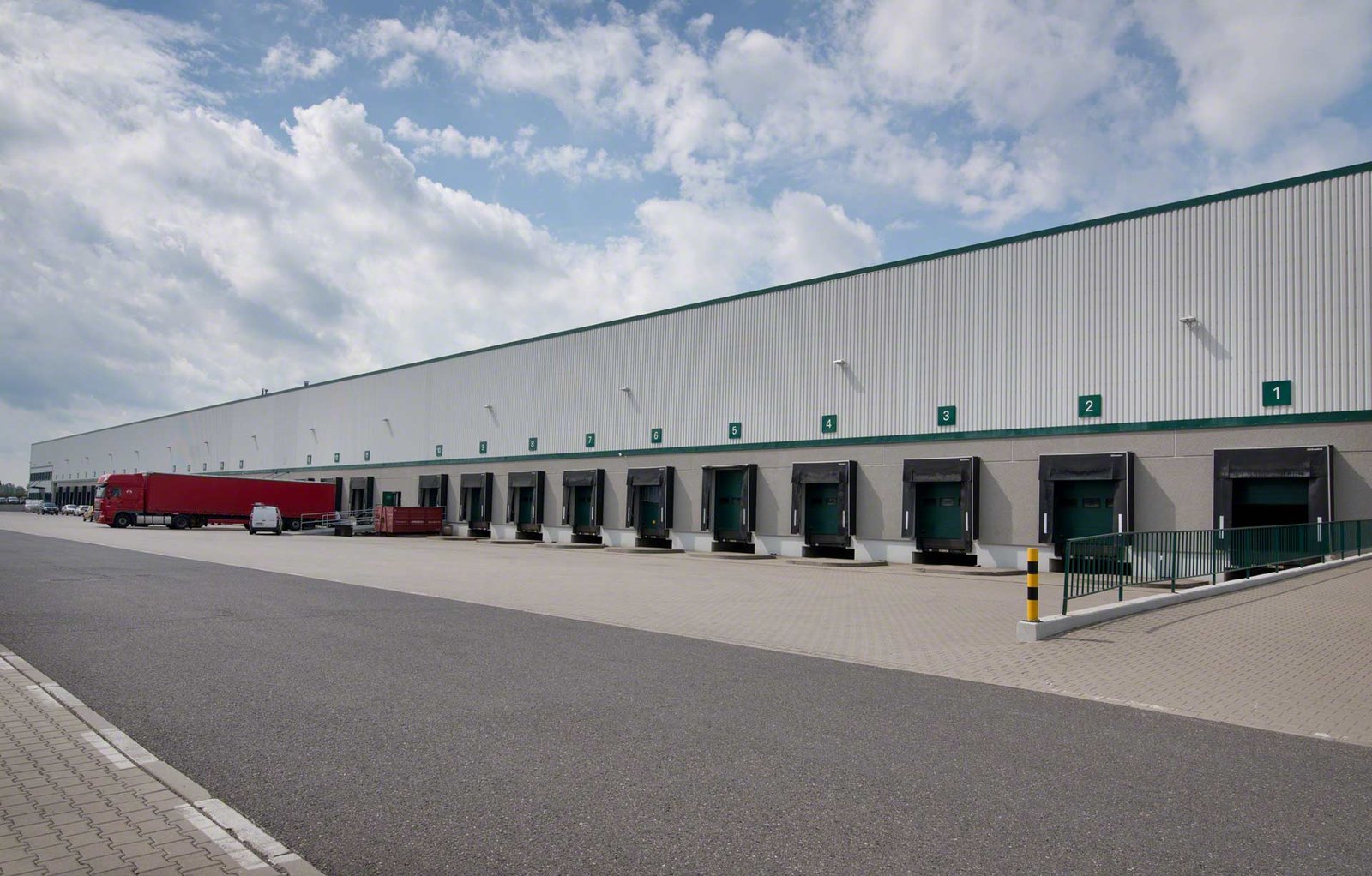
Trailer turns, dock door counts and clear height decide whether a distribution building earns its rent, and the people who sign for these buildings in Edinburg measure a contractor by how quickly the first trailer can back in. We build for logistics operators, produce handlers, trucking companies and the developers who serve them, and we plan every project from the truck court inward: how a tractor enters, how it turns, where it parks and how a forklift crosses the slab to reach the racking.
The location explains the demand. Edinburg sits on U.S. 281, which is designated I-69C, and local freight and produce handling depend on trucks that must be loaded, cooled, stored and dispatched. We build the structures that support that movement, from a produce warehouse to a trucking service shop, and we price them with the same attention to site circulation and drainage that an operator would apply when judging a yard.
Produce warehouses and mixed warehouse-office buildings
The Texas Department of Licensing and Regulation lists a proposed produce warehouse at 6801 Democracy Drive in Edinburg: 70,730 square feet, made up of a 64,698 square foot warehouse and 6,040 square feet of offices, with a private budget of $1,700,000 and construction between January and September 2026. That mix of mostly warehouse with a small office is a typical logistics arrangement, and the schedule of about eight months gives a rough guide for the shell of a similar building.
Our work in this category includes warehouse construction, distribution center construction and dock apron paving, along with temperature-controlled space for perishable goods. Each building starts from the operator's throughput, which determines the dock door count, the staging area and the number of employee and trailer parking spaces.
North Industrial Park and smaller trucking parcels
North Industrial Park is where much of the smaller-scale trucking and logistics development is recorded. An industry publication reported in July 2024 that a developer planned to invest up to $10 million in a 200,000 square foot warehouse there, with 100,000 square feet in the first phase. That source is rated medium confidence in our research, so we treat the figures as an indication of plans. The Edinburg EDC's own release, hosted on a staging address, describes lots sold in the park to a commercial truck driver training facility and a truck service shop with warehouses, and a separate report describes a lot bought for fleet maintenance and office space of at least 20,000 square feet.
These examples show a pattern we understand: small and mid-size parcels, buildings of 3,500 to 200,000 square feet, and trucking uses that need heavy paving, yard lighting and maintenance bays. Our Edinburg North Industrial Park notes go into the submarket in more detail, and operators with a fleet should see our truck terminal and cross-dock page.
Paving, drainage and the yard
Pavement is the largest line item that logistics owners underestimate. Truck courts, dock aprons and trailer parking carry concentrated wheel loads and constant turning, and a section that is adequate for a car lot will rut within a season. We design the paving section with the geotechnical engineer, use reinforced concrete at dock approaches and turning areas where the traffic warrants, and specify joint details that withstand landing gear loads. The trade team for truck courts and dock aprons builds them to the owner's expected truck count.
Water also drives cost. The National Weather Service reported 18 inches to up to 4 feet of standing water east of Edinburg after Hurricane Hanna in 2020, and storms in March 2025 dropped more than half of a year's rain on the Valley in 48 hours. A yard that cannot drain is a yard that cannot operate, so we price detention and inlets as part of the base scope and check that truck courts slope away from buildings.
Airport, highway plans and neighboring industries
Logistics demand in the north Valley is tied to infrastructure that is partly built and partly planned. The EDC says South Texas International Airport at Edinburg covers 1,080 acres along I-69C and U.S. 281, with 550 acres available for development, and that the runway is planned to extend from 5,000 to 7,600 feet. The same page reports 13,388 operations in 2024 and improvements totaling $24,722,224. These are staging-host figures and should be confirmed.
A planned State Highway 68, running 22 miles from I-69C in Edinburg to I-2, would extend the network, but no completion date or cost has been published. Distribution owners should weigh such plans as possibilities, and we help them compare sites by what exists today. Owners who combine logistics with manufacturing may want to read about manufacturers, and developers who build for them can see commercial real estate developers.
Cold chain details and retail supply schedules
Produce handling appears in the local project record, so cold chain details deserve attention. Insulated panels, vapor barriers, refrigeration slab details and dock seals each require care, and we coordinate the refrigeration contractor early so that electrical service and roof loads are accounted for. Our cold storage facility page explains the choices in more detail.
Operators serving retailers also appreciate coordination with store-side schedules, which is why logistics owners may want to understand how retail chains plan openings. A distribution center that supplies new stores needs its racking, dock equipment and yard ready before the first store order.
Operating yards and storage fire protection
A working yard is dangerous, and construction near it demands discipline. We separate construction traffic from operating trucks with barriers and flaggers, schedule concrete deliveries around peak dispatch hours and keep dock doors accessible for emergency vehicles. Workers are trained on site-specific rules before they enter the yard, and visitors sign in.
Fire protection for stored goods is another compliance topic. The City of Edinburg Fire Marshal's office applies the International Fire Code, NFPA standards and Chapter 93 of the City Code, and storage height and commodity class affect sprinkler design. We confirm these requirements with the Building Safety Department early, since the pages we reviewed do not state the adopted building code edition.
Start with your trucks and your throughput
Send the throughput data, parcel and target date and we will return a layout concept, a rough budget and a schedule.
Questions Owners Ask
How should I size dock doors and trailer parking?
Start from throughput: the number of trucks per day, the dwell time and the product type. A building with too few doors creates a queue in the yard, and one with too many wastes slab and cost. We review the operator's data with the design team before layout is fixed.
How long does a warehouse take to build here?
A state record for a 70,730 square foot produce warehouse in Edinburg shows a construction window of January to September 2026, about eight months. Larger or temperature-controlled buildings take longer, and electrical gear often controls the schedule.
Can you build a trucking facility on a small lot?
Yes. Parcels in North Industrial Park of around two to four acres have been sold for truck service and training uses. We plan circulation, parking and drainage carefully on small lots so that the building and yard both work.
What causes truck court failures?
Underdesigned pavement sections, poor subgrade preparation and inadequate drainage are the most common causes. We prevent them with proper soil testing, compaction and a joint layout suited to turning loads.
Do you coordinate racking and dock equipment?
Yes. We obtain racking layouts and dock equipment specifications early, because column spacing, slab flatness and anchor bolt placement depend on them.
Is State Highway 68 going to affect site selection?
It may in the future, but no completion date or cost has been published, so we recommend choosing a site for the access it has today.